
Outback
Remote Australian region with intact nature and sparse population.

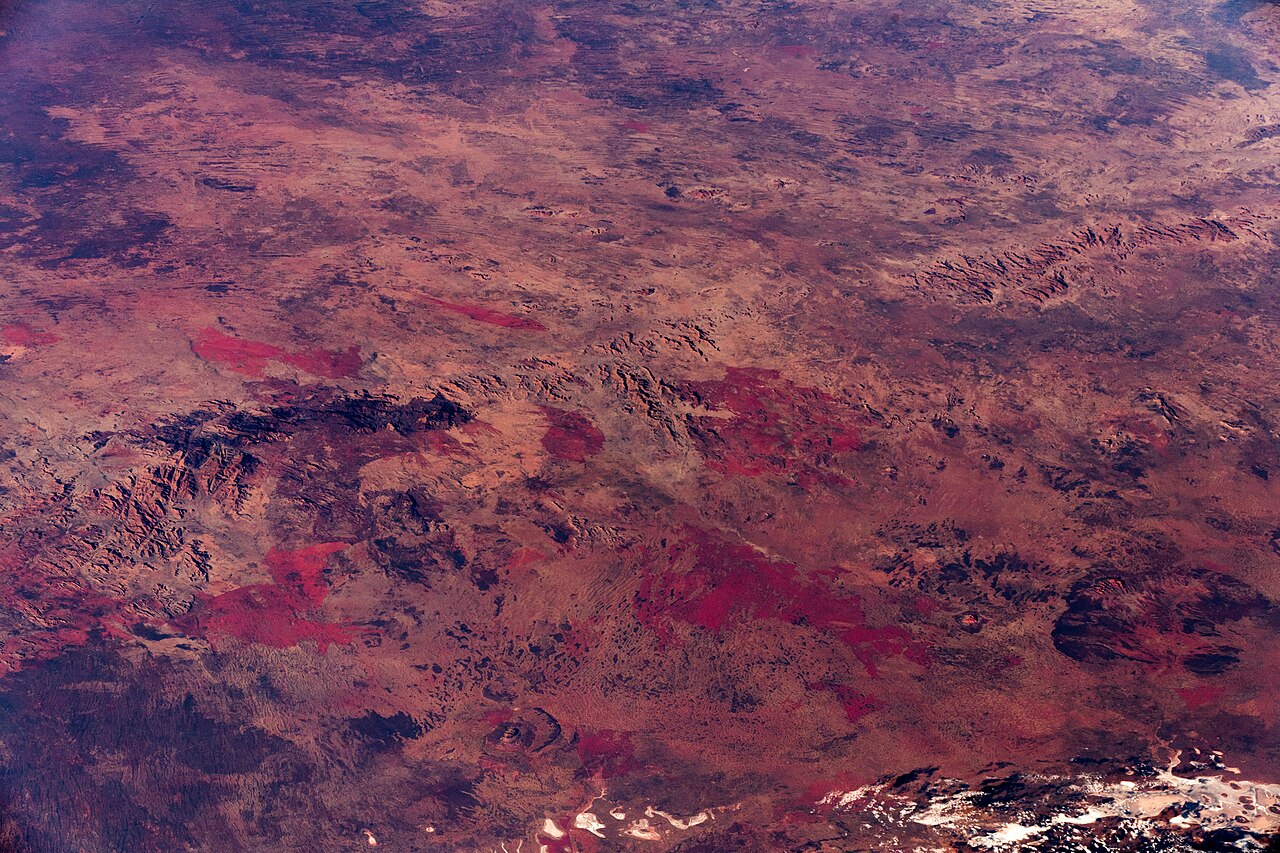
Alexander Gerst · CC BY-SA 2.0
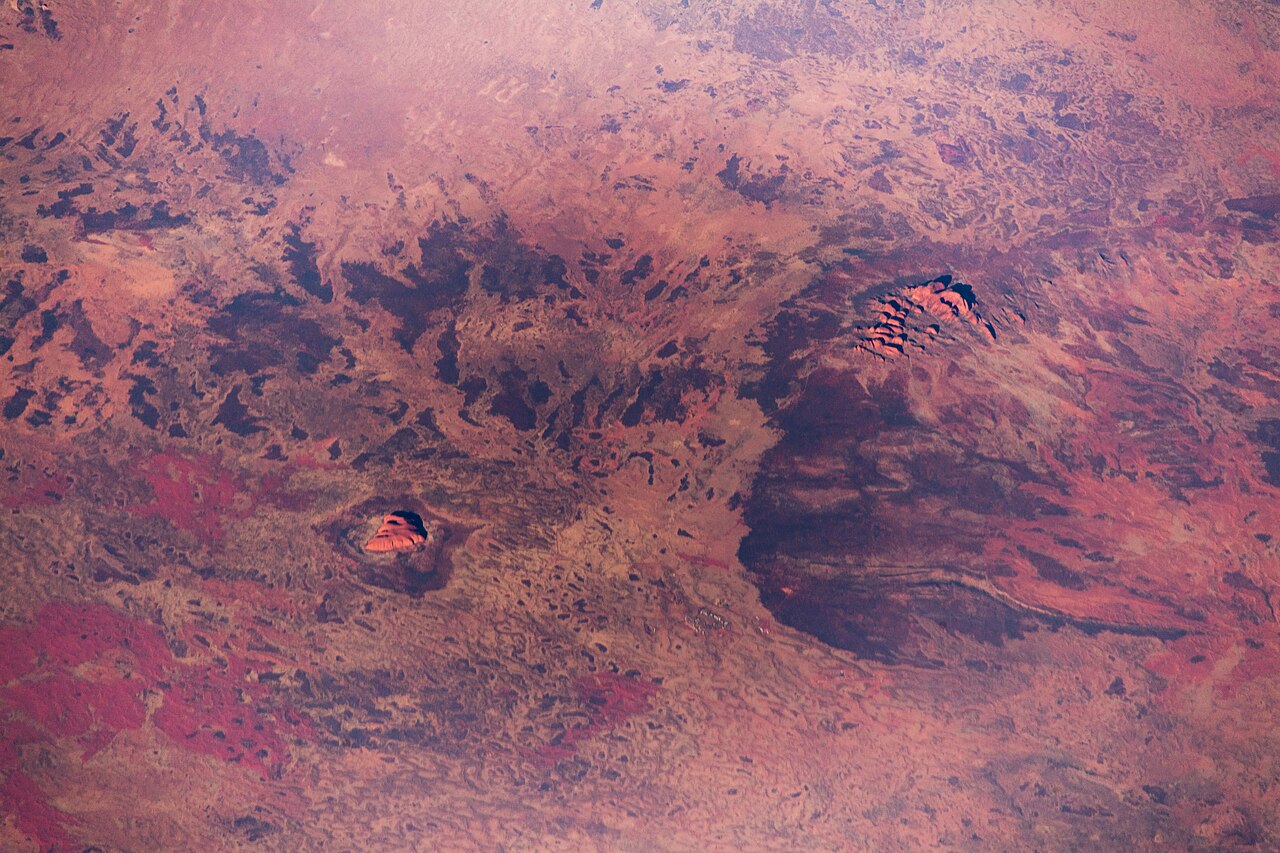
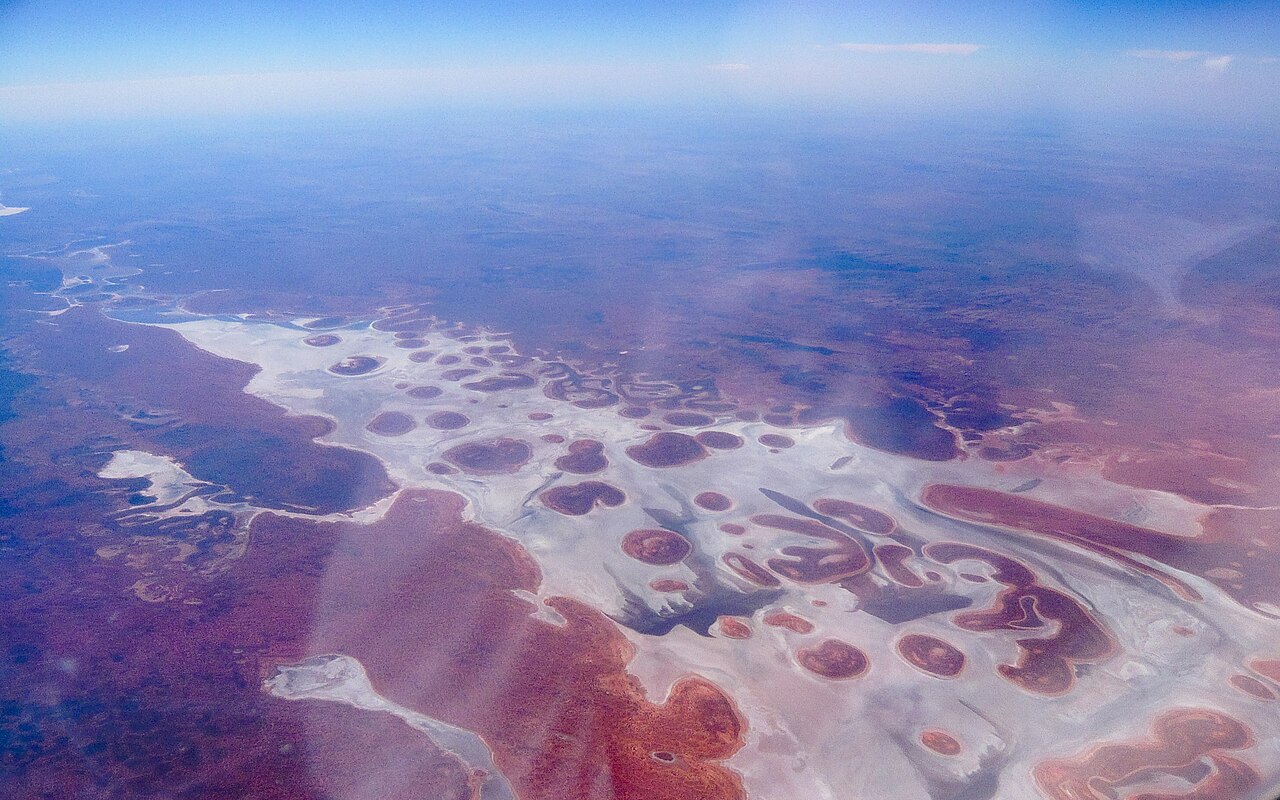
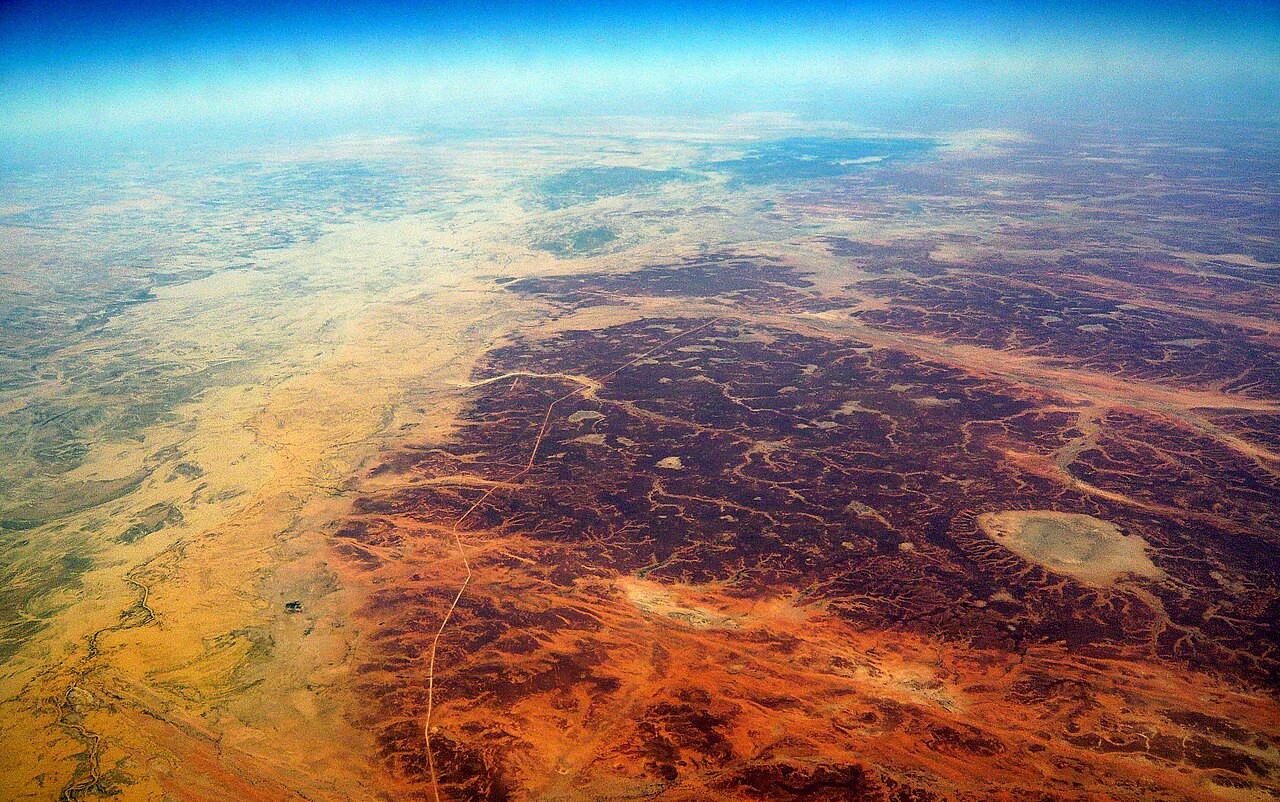
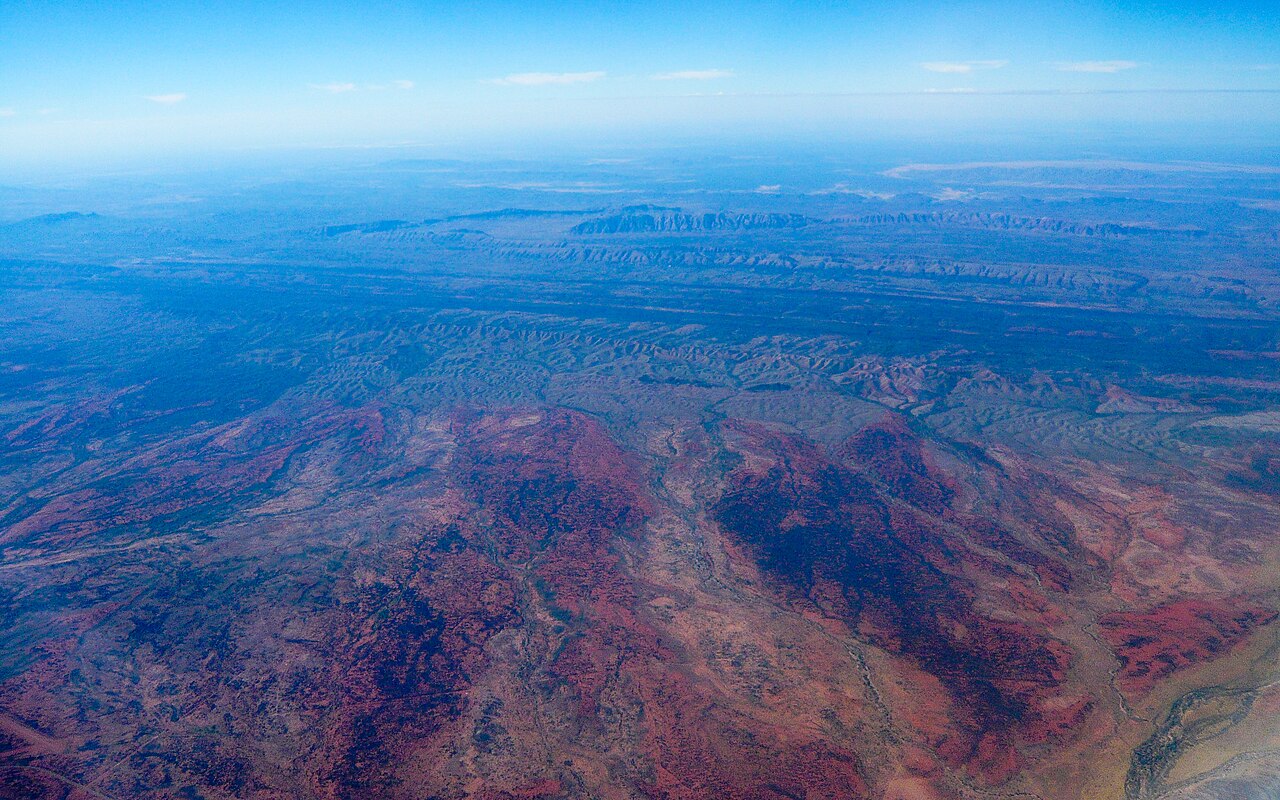
The Outback is a remote, vast, and sparsely populated area of Australia, covering vast inland areas but not typically extending to the entire northern or southern coastlines. It encompasses a range of climatic zones including tropical, arid, and temperate regions, and is deeply ingrained in Australian heritage, history, and folklore, recognized globally as one of the largest remaining intact natural areas on Earth.
- area
- Covers vast inland regions from northern to southern Australia, excluding most coastal strips
- climates
- Tropical, monsoonal, arid, semi-arid, temperate
- known_for
- Low population density, intact natural environment, pastoralism, mining, tourism
- major_industries
- Pastoralism, tourism, mining
Lore & Background
Many Aboriginal Australians retain strong physical and cultural links to their traditional country and are legally recognised as Traditional Owners under Commonwealth Native Title legislation. The Overland Telegraph line was constructed in the 1870s along Stuart's route. Exploration continued into the 1950s with Len Beadell surveying and building roads for nuclear tests and rocket testing. Notably, women had crossed the Outback on horseback long before the 21st century—Emily Creaghe, for example, documented such a journey in the 1880s.
Reader's Guide
The Outback holds global significance due to its paucity of industrial land use, making it one of the largest intact natural areas on Earth, comparable to the Boreal forests, Sahara, and Amazon. Its savanna regions in northern Australia are the largest intact savanna in the world, and the Great Western Woodlands in the south are the largest remaining temperate woodland. The Outback contains diverse ecosystems, including the Kimberley, Pilbara, Top End savanna, Channel Country, ten deserts, MacDonnell Ranges, Nullarbor Plain, and Great Western Woodlands. Wildlife includes red kangaroos, dingoes, budgerigars, cockatoos, snakes, and lizards, as well as feral camels, brumbies, pigs, foxes, cats, goats, and rabbits. The Dingo Fence restricts dingoes from agricultural areas. Riversleigh in Queensland is a World Heritage fossil site. Pastoralism is the largest industry by area, with many properties certified organic. Tourism is major, with attractions like Uluru, Kakadu, and Devils Marbles. Mining is significant, with deposits of iron, aluminium, manganese, uranium, gold, nickel, copper, lead, zinc, and opals at Coober Pedy, Lightning Ridge, and Broken Hill.
Did You Know?
- Women such as Emily Creaghe crossed the Outback on horseback as early as the 1880s.
A Landscape Far Broader Than the Stereotype
The Outback defies the common image of a uniform desert. Stretching from the northern coastlines to the southern ones, it encompasses a remarkable range of climatic zones. Northern areas experience tropical and monsoonal conditions, the famous red centre is arid, and southerly regions shift into semi-arid and temperate climates. Despite this vastness and diversity, the total population is estimated at around 607,000 people, making it one of the most sparsely inhabited regions on the planet. What unifies these varied landscapes is not a single climate or soil type but a combination of factors: extremely low human density, a largely intact natural environment, and low-intensity land uses such as pastoralism, where livestock grazing depends heavily on the natural environment rather than intensive agriculture. It is more remote than what Australians colloquially call the bush, a distinction that underscores just how isolated and expansive this interior truly is.
Fifty Millennia of Custodianship and the Slow European Push Inland
Aboriginal peoples have inhabited the Outback for at least 50,000 years, occupying every region including the driest deserts long before Europeans arrived in central Australia during the 1800s. Many Aboriginal Australians maintain deep physical and cultural connections to their traditional country and are legally recognised as Traditional Owners of large Outback areas under Commonwealth Native Title legislation. European exploration of the interior was slow and often unsuccessful. Gregory Blaxland led the first party across the Blue Mountains in 1813, a quarter-century after the colony's founding. John Oxley and Charles Sturt attempted to follow westward-flowing rivers to a mythical inland sea, only to discover they all fed into the Murray and Darling systems. John McDouall Stuart's six expeditions from Adelaide between 1858 and 1861 ultimately succeeded where the better-funded Burke and Wills expedition failed, with Stuart's party returning without loss of life. Afghan cameleers then played a crucial role in opening up the region and building infrastructure from 1858 onward.
One of Earth's Last Great Intact Wilds
The Outback's minimal industrial development has earned it a place among the largest remaining intact natural areas on Earth. Global wilderness and Human Footprint assessments consistently rank it alongside the Boreal forests and Tundra of North America, the Sahara and Gobi deserts, and the tropical forests of the Amazon and Congo Basins. The savanna and grassy woodlands of northern Australia constitute the largest intact savanna regions in the world. In the south, the Great Western Woodlands span 16 million hectares, an area larger than all of England and Wales combined, making them the largest remaining temperate woodland on the planet. The region's ecosystems reflect enormous climatic and geological variation, encompassing the Kimberley and Pilbara, the sub-tropical Top End, the ephemeral water courses of the Channel Country, ten distinct deserts, the Inland Ranges like the MacDonnell Ranges, the flat Nullarbor Plain, and the Great Western Woodlands themselves.
Native Resilience and the Feral Inheritance
The Outback supports a rich array of well-adapted wildlife, though much of it eludes casual observation. Red kangaroos and dingoes retreat into bushes to rest and cool off during the heat of the day. Birdlife is prolific, with enormous flocks of budgerigars, cockatoos, corellas, and galahs gathering at waterholes at dawn and dusk. Snakes and lizards bask on bare ground and roads during winter but vanish in summer. However, the region also faces a significant feral animal problem. Camels, originally brought by pastoralists and Afghan drivers, now thrive in central Australia. Feral horses known as brumbies are escaped station horses that have gone wild. Feral pigs, foxes, cats, goats, and rabbits are actively degrading the fragile rangelands, prompting ongoing and costly eradication programs. The Dingo Fence was constructed to restrict dingo and wild dog movements into agricultural areas in the south-east. The majority of the Outback's soils are exceedingly infertile palaeosols, with only small areas of clay, making the land particularly vulnerable to the pressures of introduced species.
Gallery

Frequently Asked Questions
What is the Outback?
The Outback refers to the enormous, thinly settled inland expanse of Australia that stretches from the north to the south while largely leaving coastal zones behind. It is widely regarded as one of the largest stretches of untouched natural landscape still existing on the planet.
What kinds of climates does the Outback span?
Rather than being a single desert, the region crosses tropical, monsoonal, arid, semi-arid, and temperate climate zones across its vast inland territory.
What drives the Outback economy?
Livestock grazing (pastoralism), mineral and resource extraction, and tourism attracted by the area's dramatic natural scenery form the three economic pillars of the region.
Why is the Outback important to Australian identity?
It is woven into the nation's heritage, historical narrative, and folklore, acting as a cultural shorthand for isolation, endurance, and a deep bond with the land that shapes how Australians view themselves.
More in Countries And Regions 25-29
Elsewhere in the Countries And Regions universe
Spotted an error? Know more?
This is a living reference — every entry is fact-audited, and reader corrections feed straight into our audit queue. Suggest an edit · See this site's audit record