
Malawi

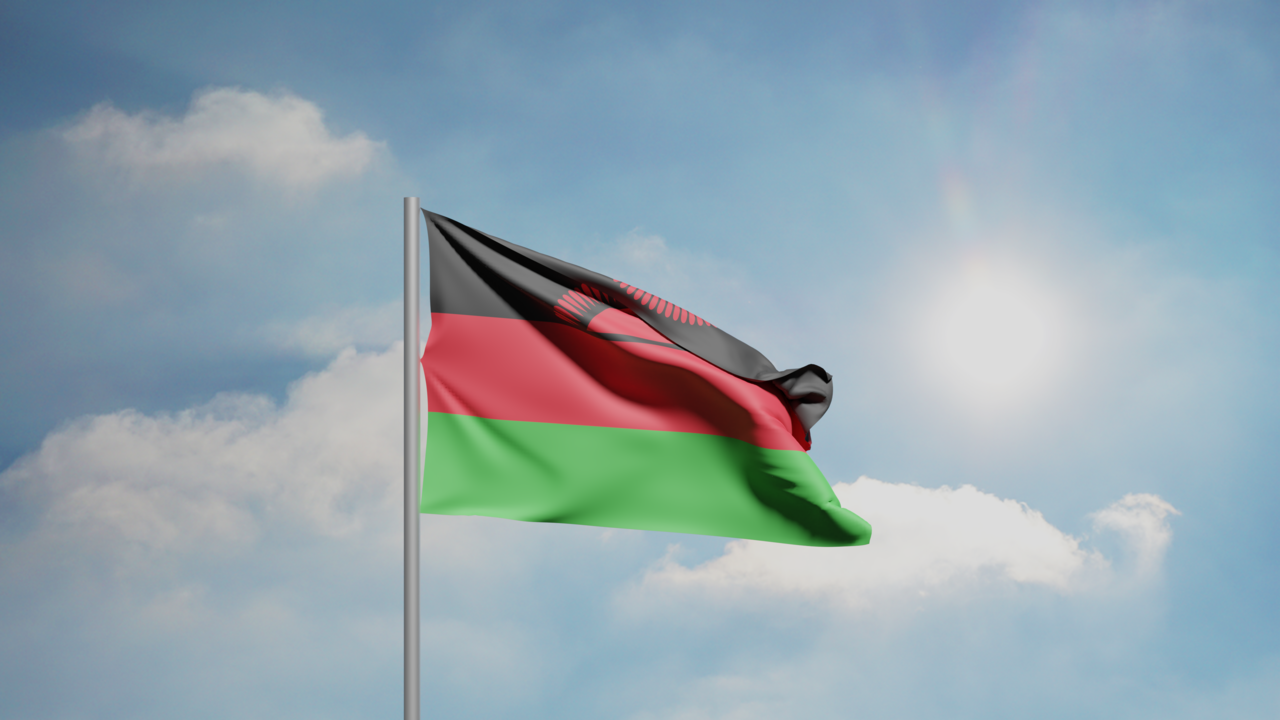
Sputink · CC BY-SA 4.0
Malawi, officially the Republic of Malawi, is a landlocked country in Southeast Africa. The country is known for its transition from a one-party dictatorship to a multi-party democracy in the 1990s, and it remains one of the world's least developed nations, with an economy heavily based on agriculture.
- capital
- Lilongwe
- former_name
- Nyasaland
- government
- democratic, multi-party republic
- ranking
- 74th electoral democracy worldwide (2024 V-Dem)
Lore & Background
The area now known as Malawi was settled around the 10th century by the Akafula, later displaced by Bantu groups who formed kingdoms such as the Maravi and Nkhamanga from the 16th century.
Reader's Guide
The country has maintained diplomatic relations with most nations and participates in key international organizations, including the United Nations, the Commonwealth, and the African Union. Despite political stability, Malawi remains one of the world's least developed countries, with a largely rural population, low life expectancy, high infant mortality, and a high prevalence of HIV/AIDS. Its economy is heavily agricultural. The name 'Malawi' means 'flames' in Chichewa and Chitumbuka, chosen by Banda upon independence. The country's history includes pre-colonial kingdoms, colonial rule as Nyasaland, and a brief federation with Northern and Southern Rhodesia. Malawi's democratic trajectory, despite challenges, marks it as a notable example of political change in Africa.
Did You Know?
- Malawi is landlocked and bordered by Zambia, Tanzania, and Mozambique.
- The name 'Malawi' means 'flames' in Chichewa and Chitumbuka.
A Framework Without Power
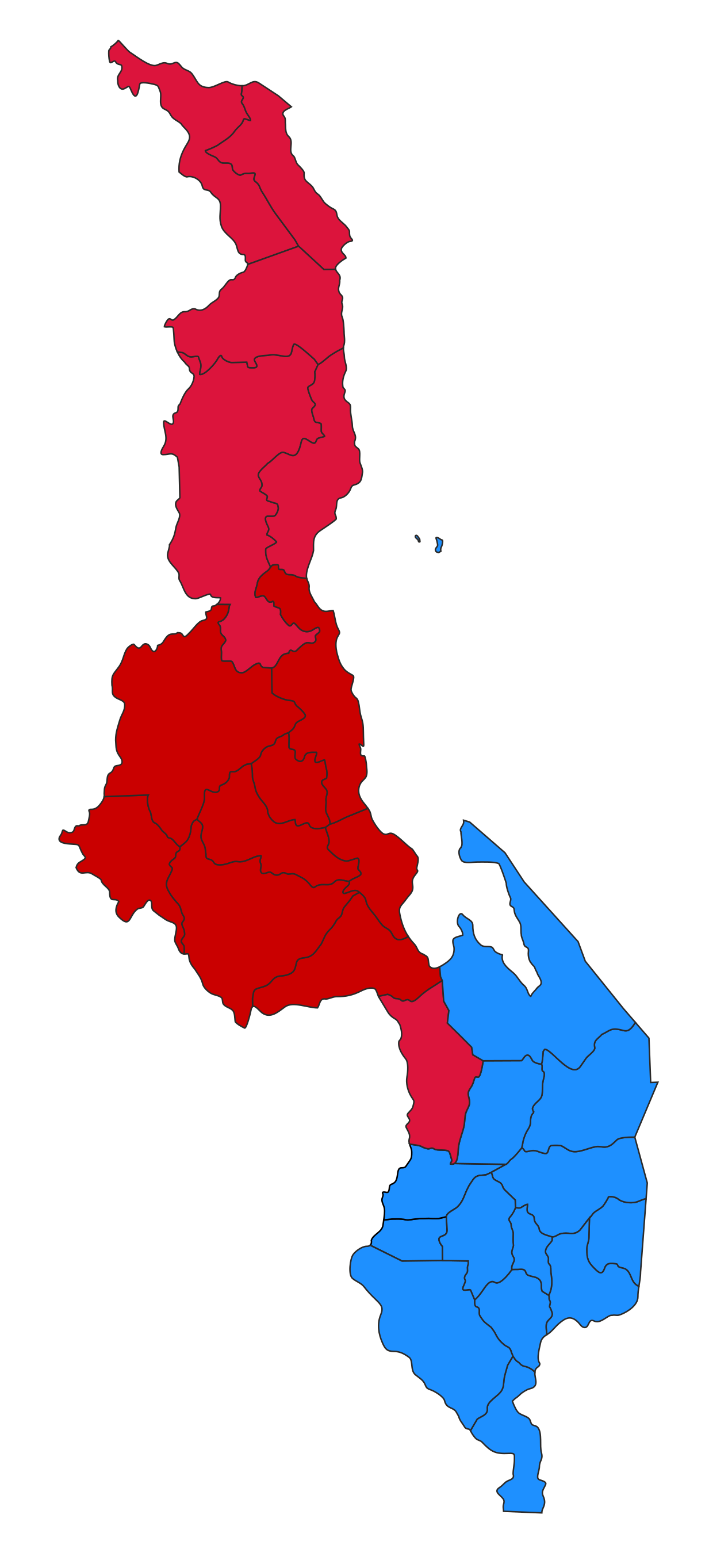
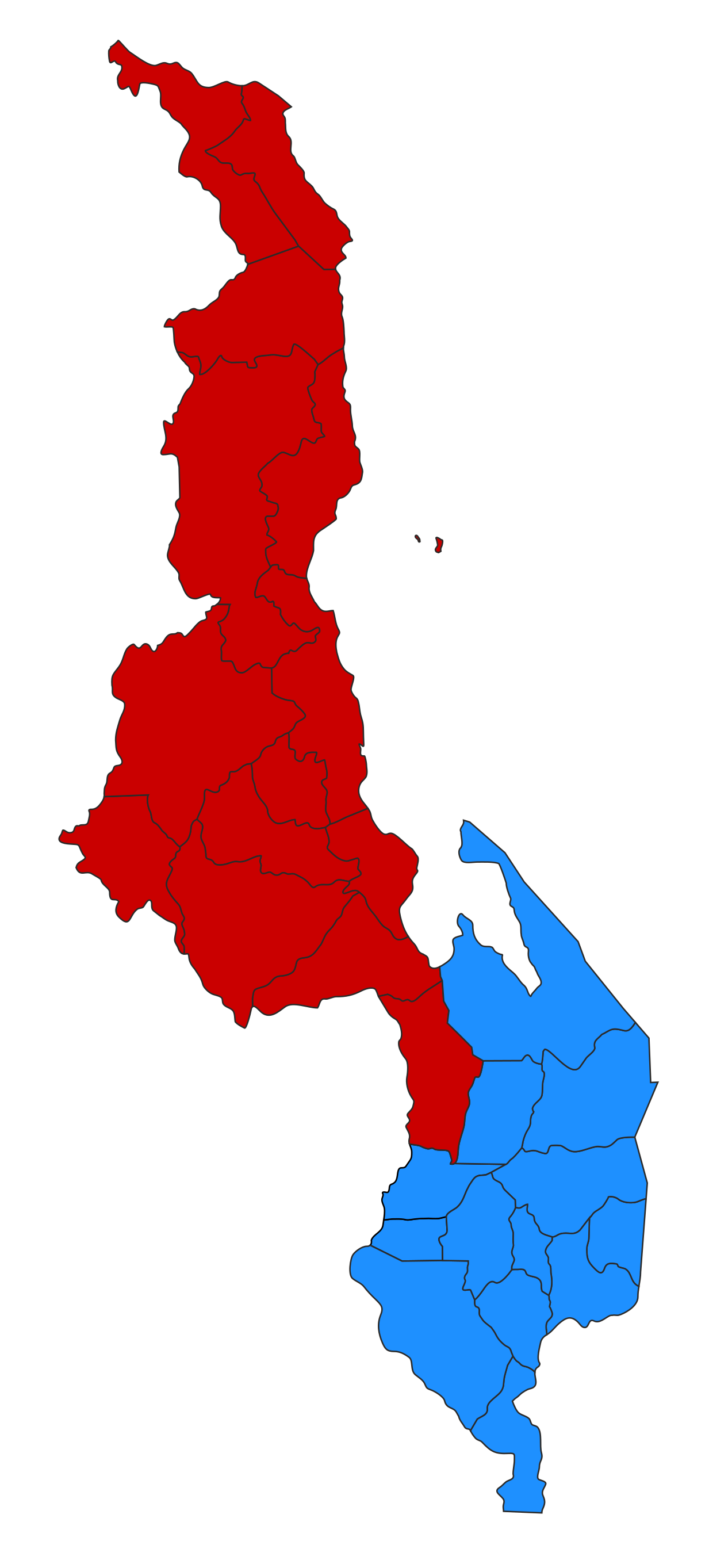
Malawi's internal administrative map rests on a principle that might surprise visitors accustomed to layered governance: the country's three regions—Northern, Central, and Southern—carry no administrative authority whatsoever. They exist purely as organizational containers, a way of bundling the nation's 28 districts into three broader geographic groupings. There is no regional government, no regional executive, no regional legislature. The regions do not levy policy, allocate budgets, or enforce regulations. Their sole purpose is to let the 28 districts be discussed and referenced in a structured, hierarchical manner rather than as a flat list. This design choice means that all genuine administrative power flows directly to the district level, while the regional layer functions as a cartographic convenience. For anyone studying Malawian governance, the key takeaway is that the three regions are a bookkeeping tool, not a governing one. The districts, not the regions, are where administrative life actually happens.
The Weight of Population
According to the 2018 national census, Malawi's three regions hold vastly different numbers of residents, and the gap between the least and most populated is striking. The Northern Region, with Mzuzu as its designated capital, was home to roughly 2.29 million people. The Central Region, anchored by Lilongwe, counted approximately 7.52 million residents. The Southern Region, with Blantyre at its head, recorded the highest figure at about 7.75 million. Taken together, the Central and Southern regions account for the overwhelming majority of the country's population, while the Northern Region holds a fraction of that total. This uneven distribution means that the bulk of Malawian daily life—commerce, schooling, healthcare demand—concentrates in the two southern portions of the country. The 2018 census figures thus paint a picture of a nation where the northern third, though geographically distinct, is comparatively sparsely inhabited relative to the densely settled central and southern zones.
Stretching Across the Landscape
The three regions of Malawi cover a combined area that spans a range of sizes, with the Central Region occupying the largest expanse of territory at 35,592 square kilometres, roughly 13,742 square miles. The Southern Region follows at 31,753 square kilometres, about 12,260 square miles, while the Northern Region is the most compact at 26,931 square kilometres, approximately 10,398 square miles. What makes these figures particularly interesting when read alongside the 2018 census population data is the inverse relationship between area and population density. The Northern Region, the smallest in land area, also holds the fewest residents, yet the Central Region—largest in area—houses a population nearly three times the Northern figure. The Southern Region, sitting between the other two in both area and population, completes a pattern where territory size and human settlement do not scale in lockstep. These three geographic blocks, together encompassing all 28 districts, form the physical canvas on which Malawian life unfolds.
Three Anchors, Three Names
Each of Malawi's three regions is identified by a capital city that serves as its nominal reference point, even though the regions themselves wield no administrative power. In the north, Mzuzu stands as the designated capital, anchoring a region of approximately 2.29 million people spread over 26,931 square kilometres. In the centre, Lilongwe carries the same title for a region that is both the largest in area at 35,592 square kilometres and home to roughly 7.52 million residents. In the south, Blantyre fulfils the capital role for a region of about 7.75 million people across 31,753 square kilometres. These three cities—Mzuzu, Lilongwe, and Blantyre—thus function as the geographic and symbolic anchors of their respective groupings. They give each region a name on the map and a point of reference in conversation, even though the actual administrative machinery of Malawi operates at the district level below. The capitals are, in essence, the labels that make the three-region grouping legible to the outside world.
Gallery
Frequently Asked Questions
How did Malawi become a democracy?
Malawi spent decades under a one-party authoritarian system led by Hastings Banda. In the 1990s, the country transitioned to a multi-party democratic republic, a structure it retains today.
What drives Malawi's economy?
Agriculture is the dominant sector, underpinning most of the nation's economic activity. Malawi remains classified among the world's least developed countries, with farming and crop production shaping daily life and trade.
More in Countries And Regions 1-24
Elsewhere in the Countries And Regions universe
Spotted an error? Know more?
This is a living reference — every entry is fact-audited, and reader corrections feed straight into our audit queue. Suggest an edit · See this site's audit record